Welcome to Moksh Tubes & Fittings LLP

Monday - Friday : 8:00 AM to 7:00 PM

Complete Material Selection Guide: When to Use Hastelloy C276 in Your Project

Complete Material Selection Guide: When to Use Hastelloy C276 in Your Project

Choosing the right material for industrial equipment isn’t just a technical decision — it’s a strategic one. The wrong material can cause severe consequences:

  • Costly failures
  • Unexpected shutdowns
  • Safety hazards
  • Product contamination
  • Maintenance overload
  • Loss of production

In industries handling chemicals, harsh acids, chlorides, or high temperatures, Hastelloy C276 often becomes the top recommendation from engineers, corrosion experts, and plant designers.

Because C276 is one of the most stable, predictable, and corrosion-resistant alloys ever developed — even in extreme, unexpected, and mixed chemical environments.

This guide explains exactly when you should choose Hastelloy C276, what conditions demand its use, and how it compares with alternative materials.
Why Material Selection Matters in Modern Industries

With increasing process complexity, chemical aggressiveness, and rising production demands, material failure isn’t just inconvenient — it’s expensive and dangerous.

  • Leakage
  • Corrosion failures
  • Weld cracking
  • Pitting
  • Contaminated product
  • Full system shutdown

A single equipment failure can cost lakhs or even crores. C276 helps industries avoid exactly that.

What Makes Hastelloy C276 Unique?

Think of industrial alloys as different classes of vehicles:

  • Stainless steels = family cars
  • Duplex & Super Duplex = SUVs
  • Inconel & high nickel alloys = race cars
  • Hastelloy C276 = a fully armored military vehicle

Its chemistry (Ni-Mo-Cr-W) gives it unmatched resistance to strong acids, chlorides, seawater, oxidizing & reducing media, high-temperature corrosion, and pitting and crevice attack.

When Should You Use Hastelloy C276?

When the Environment Contains Strong Acids

  • Hydrochloric acid (HCl)
  • Sulfuric acid (H₂SO₄)
  • Nitric acid mixtures
  • Acetic or formic acid

When Chlorides Are Present

  • Seawater
  • Brine
  • Sodium hypochlorite
  • Wet chlorine gas

High Temperature + Corrosive Media

  • Chemical reactors
  • Reboilers
  • Thermal oxidizers
  • Acidic vapor systems

Situations Where You Do Not Need C276

  • Mild environments
  • Only water or steam
  • Food-grade applications
  • No chlorides or strong acids

Comparison Chart — When to Choose C276 vs Other Materials

Environment 304 316L Duplex Super Duplex Inconel 625 C276
Mild corrosion
Strong acids⭐⭐⭐⭐⭐
Chlorides⭐⭐⭐⭐⭐
High temperature⭐⭐⭐⭐⭐
Mixed chemicals⭐⭐⭐⭐⭐

Products Available in Hastelloy C276

  • Seamless Pipes
  • Welded Pipes
  • Heat Exchanger Tubes
  • U-Bend Tubes
  • Sheets & Plates
  • Coils
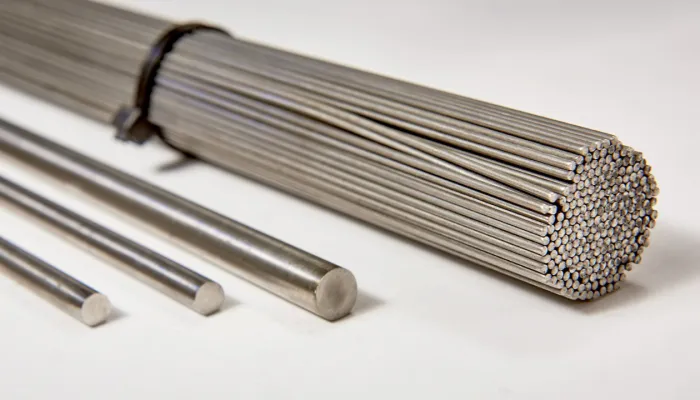
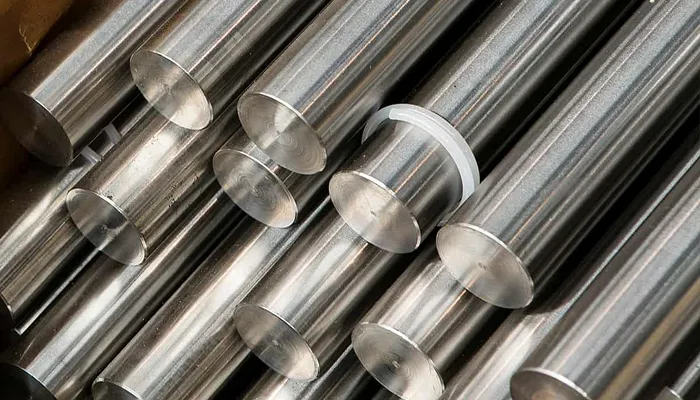
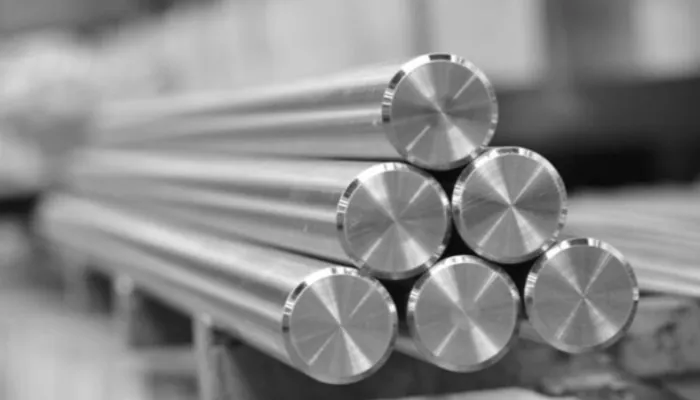
  • Rods & Bars
  • Flanges
  • Butt Weld Fittings
  • Forged Fittings
  • Custom Fabricated Components

Final Recommendation — When Should You Select Hastelloy C276?

Choose Hastelloy C276 when:

  • Failure is not acceptable
  • Corrosion is very aggressive
  • Chlorides are present
  • The environment is mixed or unpredictable
  • High-temperature corrosion exists
  • Long service life is required

If your application falls in any of these — C276 is the safest, smartest, and most cost-effective choice.

FAQ's

Is C276 worth the higher price?

Absolutely. It prevents failures that cost far more than the alloy itself.

Can C276 be used in seawater?

Yes — it is one of the most seawater-resistant alloys.

Is C276 better than Inconel 625?

For chemical processing and corrosion resistance — YES.

What are the typical C276 products used in industry?

Pipes, tubes, plates, fittings, flanges, and heat exchanger tubes.

Contact Us

At Moksh Tubes & Fittings LLP, we’re dedicated to making your purchases seamless — offering expert advice, a wide inventory of certified products, and global support for every order, large or small.

Get in Touch