Copper, brass, and bronze are three of the most widely used copper-based alloys in engineering,
manufacturing, construction, marine, electrical, and decorative applications. They may look similar
— but their performance, strength, corrosion resistance, machinability, and cost are completely
different.
✔ Copper → Best conductivity & corrosion resistance
✔ Brass → Best machinability & versatility
✔ Bronze → Best strength & wear resistance
In 2025, engineers must choose the right alloy to avoid failure, reduce cost, and increase product
life. This guide offers a complete comparison so you can select the ideal material for your application.

-
Call Us On
+91 97695 84950
-
Mail Us @
[email protected]
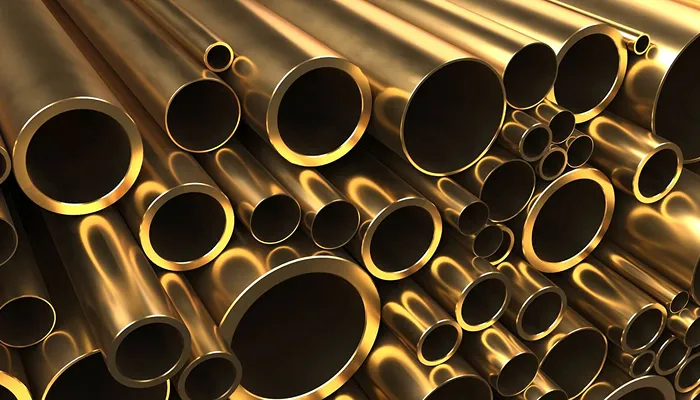
Copper vs Brass vs Bronze – Best Alloy for 2025 (Guide)
Looking for a Reliable Metal Supplier?
Get premium quality pipes, sheets, and fittings delivered globally.
Corrosion Resistance Comparison
Copper: Corrosion resistant in water, chemicals, atmosphere.
Brass: Good corrosion resistance but can dezincify in seawater.
Bronze: Best corrosion resistance in marine environments.
Winner for seawater → Bronze
Cost Comparison (2025 Market Trend)
| Alloy | Cost Level | Notes |
|---|---|---|
| Copper | Medium–High | Commodity metal |
| Brass | Medium | Affordable + versatile |
| Bronze | High | Stronger & more specialized |
Applications of Copper, Brass & Bronze
Copper Applications
- Electrical wiring
- Busbars
- Heat exchangers
- Plumbing systems
- Electronics
- HVAC systems
- Industrial conductors
Brass Applications
- Valves & fittings
- Plumbing hardware
- Decorative components
- Precision machined parts
- Electrical connectors
- Musical instruments
Bronze Applications
- Bearings & bushings
- Gears & worm wheels
- Pump components
- Propellers
- Marine hardware
- Heavy machinery parts
Copper vs Brass vs Bronze — Selection Guide by Industry
- Electrical Industry → Copper
- Marine Industry → Bronze
- Plumbing & Fluid Systems → Brass
- Machinery & Bearings → Bronze
- Decorative & Architectural → Brass
- Heat Exchangers → Copper
Advantages of Each Alloy
Copper
Highest electrical & thermal conductivity
Excellent corrosion resistance
Easy to form and weld
Brass
Best machinability
Attractive appearance
Good strength + corrosion resistance
Bronze
Highest strength
Best wear resistance
Excellent marine corrosion resistance
Which Alloy Should You Choose?
| Requirement | Best Choice |
|---|---|
| Electrical performance | Copper |
| Machinability | Brass |
| Marine/Seawater | Bronze |
| Wear & Load | Bronze |
| Aesthetics | Brass |
| General engineering | Brass / Bronze |
| Heat transfer | Copper |
Conclusion
Copper, brass, and bronze each play crucial roles in industrial manufacturing. Understanding the differences helps engineers choose the right material — ensuring performance, safety, and long-term reliability.
✔ Choose Copper for electrical and heat-transfer applications
✔ Choose Brass for fittings, valves, connectors, decorative use
✔ Choose Bronze for marine, bearings, heavy-duty, and wear applications
Need Custom Dimensions or Rare Alloys?
We provide specialized fabrication, custom cutting, and export-grade packing globally. Request a quote or chat with our experts.
FAQ's
Which is stronger: Brass or Bronze?
Bronze is significantly stronger and more wear-resistant.
Can brass be used in seawater?
It can, but dezincification can occur. Bronze or Cu-Ni alloys are better choices.
Is bronze better than steel?
Not always. Bronze is better for anti-friction, wear, and marine corrosion, but steel is stronger under tension.
Which alloy lasts longest in marine environments?
Aluminium Bronze or Tin Bronze.
Why is copper used in electrical systems?
Because it has the highest electrical conductivity among engineering metals.
Recent Blogs
-
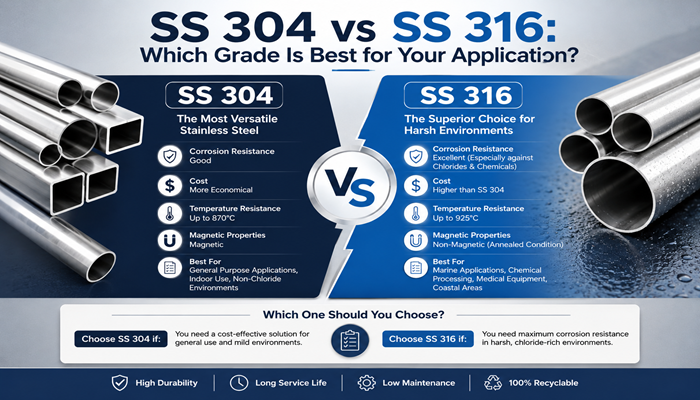
SS 304 vs SS 316: Which Grade Is Best for Your Application?
August 19, 2026
-
-
Locate Us
Office Address: Hinglaj Bhavan, Gulalwadi Mumbai, Maharashtra. 400004
Office Address: 6/A, Ground Floor, Rajwanti Mansion, Khetwadi Mumbai
Office Address: 95/95A, Dawood Baug, Sukhlaji Street, Kamatipura Mumbai
Office Address: 92E, Plot No. 3, New Tank Bunder, Darukhana, Mumbai, Maharashtra- 400 010.
get in touch
Let’s forge a connection — contact our team today.
Contact Us
At Moksh Tubes & Fittings LLP, we’re dedicated to making your purchases seamless — offering expert advice, a wide inventory of certified products, and global support for every order, large or small.
Get in Touch