Welcome to Moksh Tubes & Fittings LLP

Monday - Friday : 8:00 AM to 7:00 PM

Fabricated Pressure Vessels: Material Selection, Design & Safety Standards

Fabricated Pressure Vessels: Material Selection, Design & Safety Standards

Pressure vessels are among the most critical components used in chemical plants, oil & gas facilities, refineries, power plants, pharmaceuticals, food processing, and water treatment plants.

They store or process fluids under pressure — often at high temperature, high chemical exposure, and high internal stress. Any failure can lead to:

  • Plant shutdown
  • Safety hazards
  • Environmental risk
  • Costly repairs
  • Major production loss

That’s why fabricated pressure vessels must be designed, engineered, and manufactured with precision, following strict global standards.

This guide explains:

  • What pressure vessels are
  • How they are designed
  • Best materials
  • Fabrication process
  • Safety standards
  • Testing
  • Applications
  • Why Moksh Tubes is trusted globally

Explained in simple, human-friendly English.
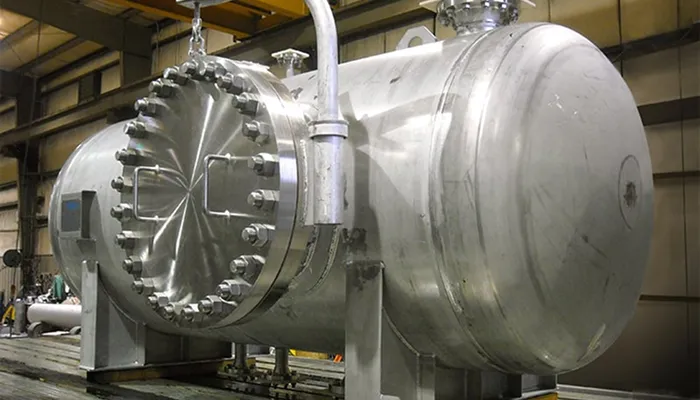
What Are Fabricated Pressure Vessels?

A pressure vessel is a closed steel container designed to store gases or liquids at pressure levels different from atmospheric pressure.

Examples:

  • Heat exchangers
  • Reactors
  • Separators
  • Boilers
  • Storage tanks
  • Receivers
  • Filters

Manufactured using:

  • Plates
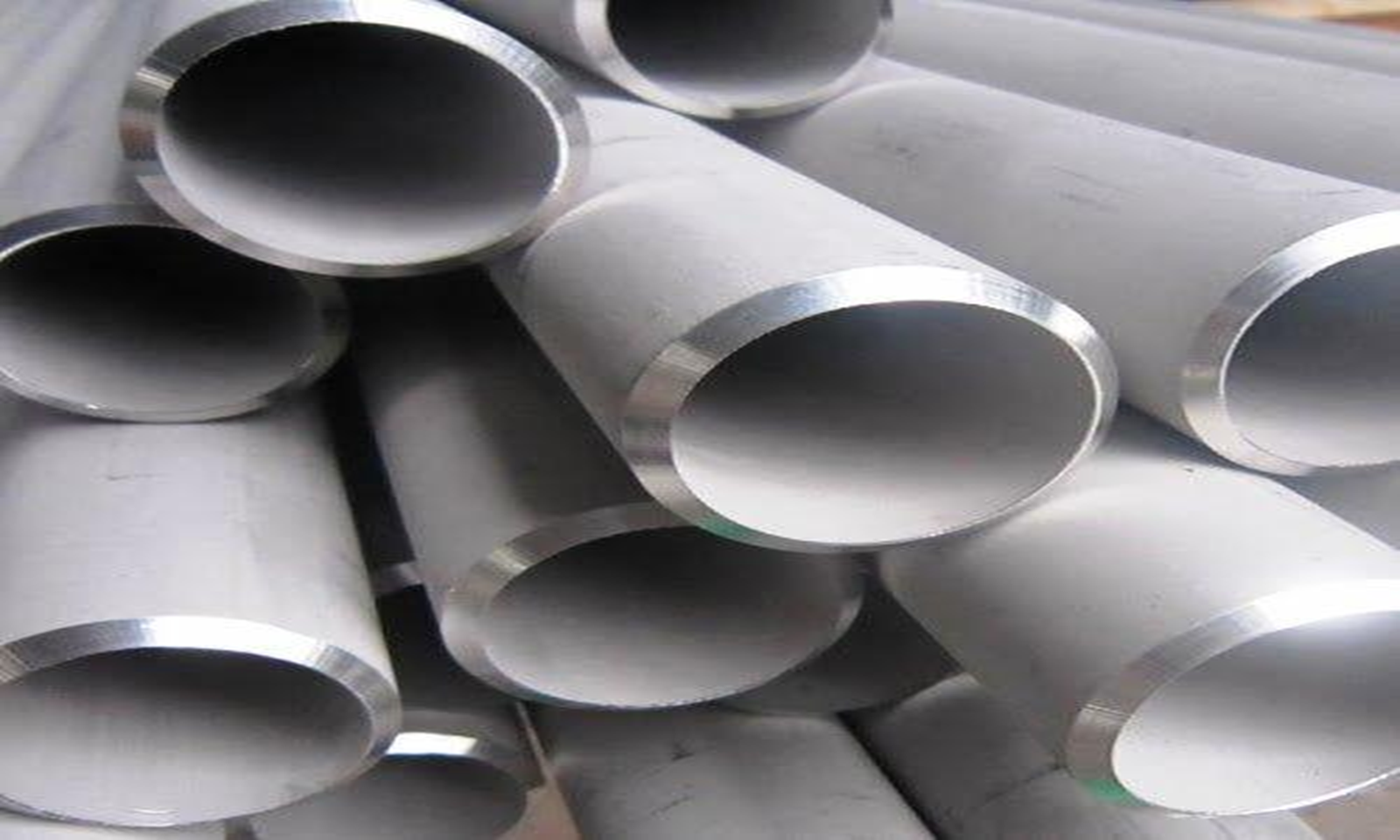
  • Pipes
  • Dished ends
  • Nozzles
  • Supports
  • Welded sections

Fabrication involves cutting, forming, welding, testing, and certification.

Types of Pressure Vessels

Based on Orientation:

  • Vertical pressure vessels
  • Horizontal pressure vessels

Based on Design:

  • Cylindrical vessels
  • Spherical vessels
  • Jacketed vessels
  • Reactor vessels

Based on Application:

  • Heat exchanger vessels
  • Chemical reactors
  • Storage vessels
  • Boiler drums
  • Accumulator vessels
  • Flash drums

Best Materials for Pressure Vessels (2025 Guide)

Material selection depends on:

  • Temperature
  • Pressure
  • Corrosion
  • Chemical exposure
  • Stress level

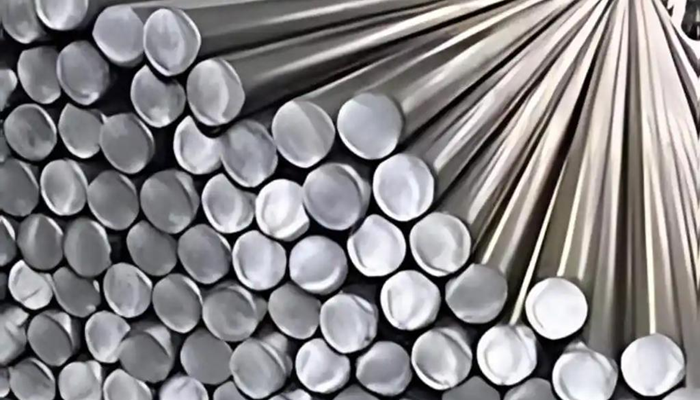
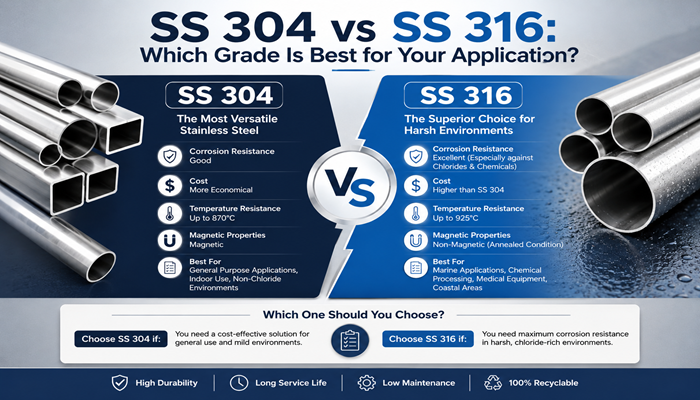
Stainless Steel (304, 316, 321, 347)

  • Corrosion-resistant
  • Best for chemicals, food, pharma

Carbon Steel (SA 516 Gr 60/70)

  • Affordable
  • Good for oil & gas, boilers

Alloy Steel (P11, P22, P91)

  • High temperature
  • Ideal for power plants

Duplex & Super Duplex (2205, 2507)

  • High strength
  • Excellent in chloride-rich environments

Nickel Alloys (Inconel, Monel, Hastelloy)

  • Extreme corrosion resistance
  • Best for aggressive chemicals

Titanium

  • Premium corrosion performance
  • Used in pharma, desalination

Pressure Vessel Design Standards

Fabricated pressure vessels must follow global safety codes:

ASME Section VIII (Most Important)

  • Covers design, materials, welding, NDT, testing, inspection

ASME Section IX

  • Welding qualifications (WPS / PQR / Welder certification)

API 510

  • Inspection and repair of pressure vessels

PED (EU)

  • For European market

ISO Standards

  • Ensures correct thickness, stress calculations, materials & weld quality

These standards ensure:

  • Correct thickness
  • Correct materials
  • Proper stress calculations
  • Weld quality
  • Pressure integrity
  • Safe operation

Fabrication Process of Pressure Vessels

Step 1 — Material Cutting

  • CNC plasma
  • Laser
  • Waterjet

Step 2 — Forming & Rolling

Plates rolled into shells.

Step 3 — Welding

  • GTAW (TIG)
  • SMAW
  • SAW
  • FCAW

Only certified welders perform welding as per ASME IX.

Step 4 — Nozzle & Support Installation

Step 5 — Heat Treatment (PWHT)

Stress relief for high-pressure vessels.

Step 6 — NDT Testing

  • RT (Radiography)
  • UT (Ultrasonic)
  • MPI / DPI
  • Hydrostatic test

Step 7 — Surface Treatment

  • Pickling
  • Passivation
  • Blasting
  • Painting

Step 8 — Final Inspection & Documentation

Common Pressure Vessel Failures (and How to Prevent Them)

Corrosion

Caused by chemicals, chlorides, moisture.
Prevention: Use SS, Duplex, Nickel Alloy.

Weld Defects

Cracks, porosity, undercut.
Prevention: ASME IX-certified welders.

Thin Wall Thickness

Failure under pressure.
Prevention: Correct ASME design.

Stress Cracking

Thermal/chemical stress.
Prevention: PWHT + correct alloy selection.

Improper Testing

Leads to leaks in service.
Prevention: Hydro + UT + RT.

Applications of Pressure Vessels

Oil & Gas

  • Separators
  • Knock-out drums
  • Surge vessels

Chemical & Petrochemical

  • Reactors
  • Absorber towers
  • Heat exchanger shells

Power Plants

  • Boilers
  • Superheater vessels
  • Economizer drums

Water & Desalination

  • RO pressure vessels
  • Brine tanks

Pharmaceuticals & Food

  • Sanitary vessels
  • Mixing vessels

Cost Factors in Fabricated Pressure Vessels

Cost depends on:

  • Material grade
  • Thickness
  • Size & volume
  • Pressure rating
  • Testing requirements
  • Coating
  • Custom design
  • Compliance & certification

Note: Nickel alloys & duplex vessels cost more due to special welding and high material cost.

Why Industries Choose Moksh Tubes for Pressure Vessels

  • ASME-compliant fabrication
  • Stainless, Carbon, Alloy, Duplex, Nickel, Titanium
  • CNC cutting & automated welding
  • PMI, RT, UT, Hydro tested
  • Experienced fabrication team
  • Export to 40+ countries
  • End-to-end documentation
  • Short lead times
  • Competitive pricing

Conclusion

Pressure vessels must be engineered with precision to ensure safety, reliability, and long-term performance. Choosing the right material, design standard, and manufacturer is essential — especially for high-pressure or corrosive environments.

Moksh Tubes supplies high-quality, ASME-compliant fabricated pressure vessels trusted across multiple industries worldwide.

FAQ's

Do you manufacture ASME pressure vessels?

Yes — fully ASME Section VIII compliant.

Which materials can you fabricate?

SS, CS, Alloy Steel, Duplex, Super Duplex, Nickel Alloys, Titanium.

Do you perform testing?

Yes — Hydro, UT, RT, MPI, DPI.

Can I get custom design vessels?

Yes — made as per client drawings & specifications.

Contact Us

At Moksh Tubes & Fittings LLP, we’re dedicated to making your purchases seamless — offering expert advice, a wide inventory of certified products, and global support for every order, large or small.

Get in Touch