Welcome to Moksh Tubes & Fittings LLP

Monday - Friday : 8:00 AM to 7:00 PM

Fabricated Pressure Vessels: Material Selection, Design & Safety Standards (2025 Expert Guide)

Fabricated Pressure Vessels: Material Selection, Design & Safety Standards (2025 Expert Guide)

Pressure vessels are among the most critical components used in chemical plants, oil & gas facilities, refineries, power plants, pharmaceuticals, food processing, and water treatment plants. They store or process fluids under pressure at high temperature, chemical exposure, and internal stress.

Any failure can lead to:

  • Plant shutdown
  • Safety hazards
  • Environmental risk
  • Costly repairs
  • Major production loss

That’s why fabricated pressure vessels must be designed and manufactured with precision, following strict global standards.

This guide explains what pressure vessels are, how they are designed, best materials, fabrication process, safety standards, testing, applications, and why Moksh Tubes is trusted worldwide.
What Are Fabricated Pressure Vessels?

A pressure vessel is a closed steel container designed to store gases or liquids at pressure levels different from atmospheric pressure.

Examples

  • Heat exchangers
  • Reactors
  • Separators
  • Boilers
  • Storage tanks
  • Receivers
  • Filters

Manufactured Using

  • Plates
  • Pipes
  • Dished ends
  • Nozzles
  • Supports
  • Welded sections

Fabrication includes cutting, forming, welding, testing, and certification.

Types of Pressure Vessels

Based on Orientation

  • Vertical pressure vessels
  • Horizontal pressure vessels

Based on Design

  • Cylindrical vessels
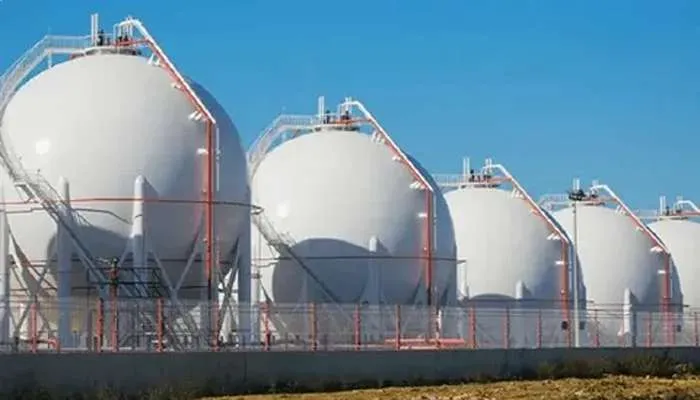
  • Spherical vessels
  • Jacketed vessels
  • Reactor vessels

Based on Application

  • Heat exchanger vessels
  • Chemical reactors
  • Storage vessels
  • Boiler drums
  • Accumulator vessels
  • Flash drums

Best Materials for Pressure Vessels (2025 Guide)

Material selection depends on temperature, pressure, corrosion, chemical exposure, and stress level.

Stainless Steel (304, 316, 321, 347)

  • Corrosion-resistant
  • Best for chemicals, food, pharma

Carbon Steel (SA 516 Gr 60/70)

  • Affordable
  • Good for oil & gas, boilers

Alloy Steel (P11, P22, P91)

  • High temperature capability
  • Ideal for power plants

Duplex & Super Duplex (2205, 2507)

  • High strength
  • Excellent chloride resistance

Nickel Alloys (Inconel, Monel, Hastelloy)

  • Extreme corrosion resistance
  • Best for aggressive chemicals

Titanium

  • Premium corrosion performance
  • Used in pharma & desalination

Pressure Vessel Design Standards

Fabricated pressure vessels must follow global safety codes:

  • ASME Section VIII – Design, materials, welding, NDT, inspection
  • ASME Section IX – WPS, PQR, welder qualifications
  • API 510 – Inspection & repair
  • PED – For European market
  • ISO standards

These ensure proper thickness, materials, stress calculations, weld quality, pressure integrity, and safety.

Fabrication Process of Pressure Vessels

Step 1- Material Cutting

Plates & pipes cut by CNC plasma, laser, or waterjet.

Step 2- Forming & Rolling

Plates rolled into shells.

Step 3- Welding

Methods: GTAW, SMAW, SAW, FCAW. Only certified welders allowed.

Step 4- Nozzle & Support Installation

Step 5- Heat Treatment (PWHT)

Stress relief for high-pressure vessels.

Step 6- NDT Testing

  • RT
  • UT
  • MPI / DPI
  • Hydrostatic test

Step 7- Surface Treatment

  • Pickling
  • Passivation
  • Blasting
  • Painting

Step 8- Final Inspection & Documentation

Common Pressure Vessel Failures (and Prevention)

1. Corrosion

✔ Prevention: Use SS, Duplex, Nickel Alloys.

2. Weld Defects

✔ Prevention: ASME IX-certified welders.

3. Thin Wall Thickness

✔ Prevention: Follow ASME design.

4. Stress Cracking

✔ Prevention: PWHT + correct alloy.

5. Improper Testing

✔ Prevention: RT + UT + Hydro testing.

Applications of Pressure Vessels

Oil & Gas

  • Separators
  • Knock-out drums
  • Surge vessels

Chemical & Petrochemical

  • Reactors
  • Absorber towers
  • Heat exchanger shells

Power Plants

  • Boilers
  • Superheater vessels
  • Economizer drums

Water & Desalination

  • RO pressure vessels
  • Brine tanks

Pharma & Food

  • Sanitary vessels
  • Mixing vessels

Cost Factors in Fabricated Pressure Vessels

Cost depends on:

  • Material grade
  • Thickness
  • Size & volume
  • Pressure rating
  • Testing requirements
  • Coating
  • Custom design
  • Compliance & certification

Nickel alloys & duplex vessels cost more due to material and welding complexity.

Why Industries Choose Moksh Tubes for Pressure Vessels

  • ASME-compliant fabrication
  • Stainless, Carbon, Alloy, Duplex, Nickel, Titanium
  • CNC cutting & automated welding
  • PMI, RT, UT, Hydro tested
  • Experienced fabrication team
  • Export to 40+ countries
  • End-to-end documentation
  • Short lead times
  • Competitive pricing

Conclusion

Pressure vessels must be engineered with precision to ensure safety, reliability, and long-term performance. Choosing the right material, design standard, and manufacturer is essential, especially for high-pressure or corrosive environments.

Moksh Tubes supplies high-quality, ASME-compliant fabricated pressure vessels trusted across multiple industries worldwide.

FAQ's

Do you manufacture ASME pressure vessels?

Yes — fully ASME Section VIII compliant.

Which materials can you fabricate?

SS, CS, Alloy Steel, Duplex, Super Duplex, Nickel Alloys, Titanium.

Do you perform testing?

Yes — Hydro, UT, RT, MPI, DPI.

Can I get custom design vessels?

Yes — made as per client drawings & specifications.

Contact Us

At Moksh Tubes & Fittings LLP, we’re dedicated to making your purchases seamless — offering expert advice, a wide inventory of certified products, and global support for every order, large or small.

Get in Touch