Welcome to Moksh Tubes & Fittings LLP

Monday - Friday : 8:00 AM to 7:00 PM

Grades of Titanium (Grade 1 to Grade 12) – Properties, Uses & Complete Guide (2025 Edition)

Grades of Titanium (Grade 1 to Grade 12) – Properties, Uses & Complete Guide (2025 Edition)

Titanium is one of the most extraordinary engineering metals in the world. It offers a rare combination of:

  • High strength
  • Low density (lightweight)
  • Exceptional corrosion resistance
  • Biocompatibility
  • High-temperature performance
  • Non-magnetic with excellent fatigue strength

Because of these advantages, titanium is used in:

  • Aerospace
  • Chemical processing
  • Marine & desalination
  • Medical implants
  • Oil & gas
  • Heat exchangers
  • Power plants
  • Nuclear reactors

Titanium comes in multiple grades, each with different strength, corrosion resistance, and application suitability. This comprehensive guide explains:

  • Titanium Grades 1–12
  • Mechanical & chemical properties
  • Applications of each grade
  • How to choose the right titanium grade
  • FAQs
  • Why Moksh Tubes is a trusted supplier
Titanium Grades Categorization (Quick Overview)

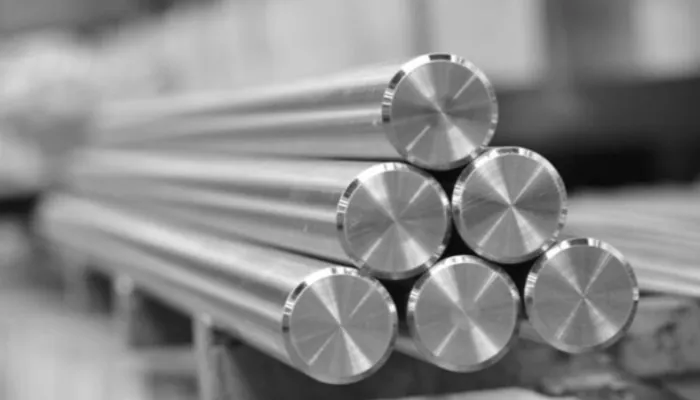
Titanium grades fall into three categories:

  • Commercially Pure Titanium (Grades 1–4) – Best corrosion resistance, excellent ductility.
  • Titanium Alloys (Grades 5–12+) – High strength, heat resistance, ideal for aerospace.

Titanium grades vary based on:

  • Oxygen content
  • Alloying elements (Al, V, Mo, Sn, Zr, Fe)
  • Mechanical strength
  • Corrosion resistance
  • Weldability

Commercially Pure (CP) Titanium Grades (1 to 4)

Titanium Grade 1 – Softest & Most Corrosion Resistant

Properties:

  • Softest and most ductile CP titanium
  • Excellent formability
  • Highest corrosion resistance

Applications:

  • Heat exchangers
  • Chlorine processing systems
  • Marine equipment
  • Chemical reactors
  • Medical devices

Titanium Grade 2 – Most Widely Used CP Titanium

Properties:

  • Slightly stronger than Grade 1
  • Excellent corrosion resistance
  • High weldability

Applications:

  • Heat exchanger tubes
  • Desalination plants
  • Condensers
  • Seawater piping
  • Chemical plant equipment

Titanium Grade 3 – High Strength CP Titanium

Properties:

  • Higher strength than Grade 2
  • Good corrosion resistance
  • Moderate formability

Applications:

  • Heat exchangers
  • Industrial parts
  • High-pressure chemical systems

Titanium Grade 4 – Strongest CP Titanium

Properties:

  • Highest strength among CP grades
  • Good corrosion resistance
  • Lower ductility

Applications:

  • Aerospace components
  • Medical devices
  • High-strength heat exchanger parts

Alloyed Titanium Grades (5 to 12)

Titanium Grade 5 (Ti-6Al-4V) – The Most Popular Titanium Alloy

Composition: 6% Aluminum + 4% Vanadium

Properties:

  • Very high strength
  • Heat resistant up to 400°C
  • Excellent fatigue resistance

Applications:

  • Aerospace components
  • Turbine blades
  • Pressure vessels
  • Medical implants
  • Sports & racing equipment

Titanium Grade 7 – Most Corrosion-Resistant Alloy

Composition: Titanium + Palladium

Properties:

  • Best corrosion resistance among titanium grades
  • Excellent for reducing and oxidizing environments

Applications:

  • Chlorine service
  • Chemical plants
  • Heat exchangers & reactors
  • Pollution control systems

Titanium Grade 9 (Ti-3Al-2.5V) – Aerospace Tubing Alloy

Properties:

  • High strength-to-weight ratio
  • Excellent weldability
  • Corrosion resistant

Applications:

  • Aircraft hydraulic tubing
  • Exhaust systems
  • Marine & sports equipment

Titanium Grade 11 – Corrosion Alloy (Similar to Grade 7)

Properties:

  • Superior corrosion resistance
  • Excellent for harsh chemical environments

Applications:

  • Heat exchanger tubing
  • Acid storage tanks
  • Chemical plant piping

Titanium Grade 12 – Ti-Mo-Ni Alloy

Composition: Titanium + Molybdenum + Nickel

Properties:

  • High corrosion resistance in hot acids
  • Higher strength than CP grades
  • Excellent weldability

Applications:

  • Hot brine systems
  • Heat exchangers
  • Marine environments
  • Power plant condensers

Mechanical Property Comparison (Grades 1–12)

Grade Tensile Strength (MPa) Density Corrosion Resistance Strength
1240Very Low⭐⭐⭐⭐⭐
2345Low⭐⭐⭐⭐⭐⭐⭐
3450Low⭐⭐⭐⭐⭐⭐⭐
4550Low⭐⭐⭐⭐⭐⭐⭐⭐
5895Medium⭐⭐⭐⭐⭐⭐⭐⭐⭐
7240–450Low⭐⭐⭐⭐⭐⭐⭐
9620Medium⭐⭐⭐⭐⭐⭐⭐
11240Low⭐⭐⭐⭐⭐
12500Medium⭐⭐⭐⭐⭐⭐⭐⭐⭐

Corrosion Resistance of Titanium Grades

Titanium naturally forms a stable TiO₂ passive film, making it extremely corrosion-resistant. It withstands:

  • Chlorides
  • Seawater
  • Hypochlorites
  • Wet chlorine gas
  • Sulfuric acid
  • Organic acids

Grades 1, 2, 7, 11, and 12 are most commonly used for chemical and marine industries.

Applications of Titanium Across Industries

Aerospace Industry

  • Jet engine parts
  • Airframes
  • Fasteners
  • Hydraulic tubing

Chemical Processing

  • Heat exchangers
  • Reactor vessels
  • Acid piping
  • Chlorine equipment

Marine & Desalination

  • Seawater heat exchangers
  • Condensers
  • Saltwater piping

Medical & Healthcare

  • Implants
  • Surgical tools
  • Dental devices

Oil & Gas

  • Offshore components
  • Downhole tools
  • Risers

Power Plants

  • Condenser tubing
  • High-purity steam equipment

How to Choose the Right Titanium Grade

  • Corrosive chemicals: Grade 2, 7, 11, 12
  • High strength: Grade 5
  • Heat exchangers: Grade 2, 12
  • Aerospace: Grade 5, 9
  • Medical: Grade 5 (ELI)
  • Seawater: Grade 2, 12
  • High pressure: Grade 4 or Grade 5

FAQ's

Which titanium grade is strongest?

Titanium Grade 5 (Ti-6Al-4V).

Which grade is best for heat exchangers?

Grade 2 and Grade 12.

Which titanium is most corrosion-resistant?

Grade 7 and Grade 11.

Is titanium expensive?

Yes, but it offers long service life and low maintenance.

Which titanium is used in seawater?

Grade 2 and 12.

Contact Us

At Moksh Tubes & Fittings LLP, we’re dedicated to making your purchases seamless — offering expert advice, a wide inventory of certified products, and global support for every order, large or small.

Get in Touch