Welcome to Moksh Tubes & Fittings LLP

Monday - Friday : 8:00 AM to 7:00 PM

Haynes Alloys Guide (2025): High-Temperature Superalloys

Haynes Alloys Guide (2025): High-Temperature Superalloys

Haynes alloys are among the most advanced nickel- and cobalt-based superalloys ever developed. They are engineered to survive:

  • Extreme temperatures (700°C–1200°C)
  • Oxidizing & carburizing atmospheres
  • High mechanical stress
  • Thermal shock
  • Corrosive industrial environments

Because of these exceptional properties, Haynes alloys are used in:

  • Aerospace engines
  • Industrial gas turbines
  • Chemical processing equipment
  • Heat treatment furnaces
  • Nuclear applications
  • Petrochemical plants

This guide explains what makes Haynes alloys special, the most popular grades, and where they are used.
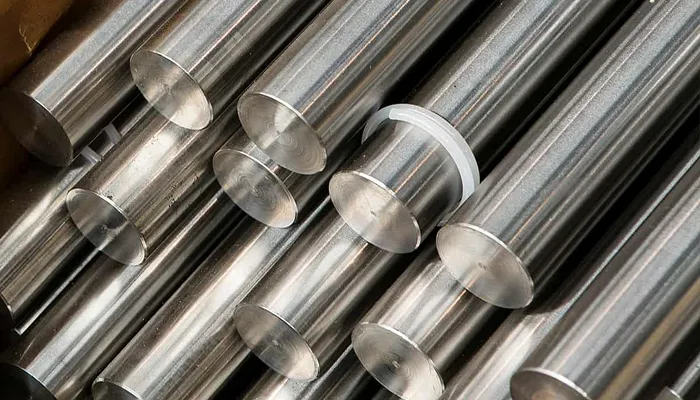
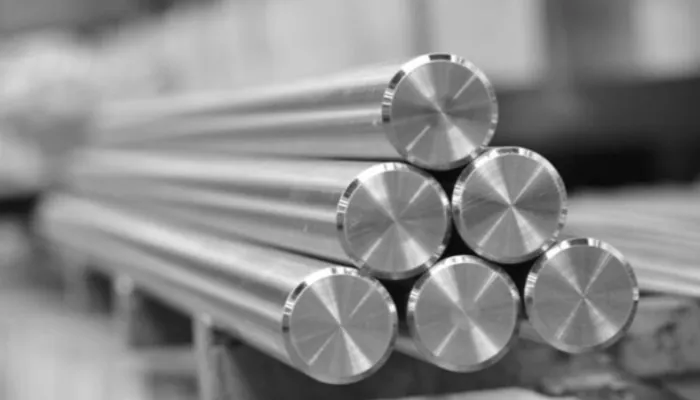
What Are Haynes Alloys?

Haynes alloys are high-temperature, high-strength superalloys developed by Haynes International. They are mostly nickel-based or cobalt-based, with additions such as:

  • Chromium
  • Tungsten
  • Molybdenum
  • Cobalt
  • Aluminum
  • Titanium

These alloying elements produce:

  • Excellent creep resistance
  • Superior oxidation protection
  • High fatigue strength
  • Resistance to carburization & nitridation
  • Dimensional stability at high heat

Major Haynes Alloys and Their Key Characteristics

Haynes 188 — Cobalt-Based Superalloy

Properties:

  • Excellent oxidation resistance up to 1100°C
  • High creep strength
  • Good ductility at elevated temperatures

Applications:

  • Jet engine combustion liners
  • Afterburner components
  • Industrial gas turbines

Haynes 230 — High-Temperature Nickel Alloy

Properties:

  • Exceptional oxidation resistance
  • Excellent thermal stability
  • Best for long-term exposure at 900–1150°C

Applications:

  • Furnace fixtures
  • Heat treatment equipment
  • Petrochemical cracking systems
  • Gas turbine parts

Haynes 263 — Age-Hardenable Nickel Alloy

Properties:

  • High strength due to age hardening
  • Good formability and weldability
  • Excellent creep resistance

Applications:

  • Turbine casings
  • Aircraft engine parts
  • High-stress combustion components

Haynes X (Hastelloy X Equivalent)

Properties:

  • Excellent oxidation resistance
  • Good fabricability
  • High-temperature strength

Applications:

  • Combustion chambers
  • Heat exchangers
  • Industrial heating systems

Haynes 625 (Nickel-Chromium-Molybdenum Alloy)

Properties:

  • Superb corrosion resistance
  • Excellent weldability
  • High fatigue strength

Applications:

  • Chemical processing
  • Seawater systems
  • Aerospace hardware

Why Haynes Alloys Are Superior

  • High-temperature strength up to 1000°C
  • Oxidation & scaling resistance
  • Creep resistance
  • Thermal fatigue resistance
  • Corrosion resistance in harsh gases
  • Structural stability at elevated heat

High-Temperature Performance Comparison

Alloy Max Use Temp Strength Oxidation Resistance Applications
Haynes 188 1100°C High Excellent Aerospace engines
Haynes 230 1150°C Very High Excellent Furnaces, turbines
Haynes 263 900°C–1000°C Very High Very Good Engine components
Hastelloy X 1100°C High Excellent Combustion chambers

Industrial Applications of Haynes Alloys

Aerospace Industry

  • Combustion liners
  • Afterburners
  • Turbine casings
  • Exhaust components
  • High-temperature ducting

Gas Turbine Systems

  • Hot gas ducting
  • Transition ducts
  • Flame holders
  • Turbine shrouds
  • Burner cans

Chemical Processing Plants

  • Heat exchangers
  • Reformers
  • Catalytic cracking units

Heat Treatment Furnaces

  • Furnace fans
  • Radiant tubes
  • Fixturing systems
  • High-temp fasteners

Nuclear Industry

  • Reactor internals
  • Cooling systems

Advantages of Haynes Alloys

  • Superior high-temperature strength
  • Outstanding oxidation resistance
  • Exceptional creep resistance
  • Excellent corrosion behavior
  • Long-term stability
  • Proven aerospace reliability

Limitations of Haynes Alloys

  • Higher cost
  • Harder to machine
  • Specialized welding required
  • Limited availability in some regions

How to Choose the Right Haynes Alloy

Requirement Best Alloy
Max oxidation resistance Haynes 230
Best creep strength Haynes 263
High temp turbine parts Haynes 188
General high-temp fabrication Hastelloy X / Haynes X
Corrosion + strength balance Haynes 625

FAQ's

Are Haynes alloys better than Inconel?

In many high-temperature applications, yes. Haynes alloys often outperform standard Inconel grades.

What temperature can Haynes 230 withstand?

Up to 1150°C in oxidizing environments.

Is Haynes 188 a nickel or cobalt alloy?

Cobalt-based, known for extreme high-temperature performance.

Is Haynes 263 weldable?

Yes — it has better weldability than many precipitation-hardened alloys.

Which Haynes alloy is used in jet engines?

Haynes 188, 263, and Hastelloy X are widely used.

Contact Us

At Moksh Tubes & Fittings LLP, we’re dedicated to making your purchases seamless — offering expert advice, a wide inventory of certified products, and global support for every order, large or small.

Get in Touch