Welcome to Moksh Tubes & Fittings LLP

Monday - Friday : 8:00 AM to 7:00 PM

Haynes Alloys vs Inconel vs Hastelloy — Which Superalloy Should You Choose in 2025?

Haynes Alloys vs Inconel vs Hastelloy — Which Superalloy Should You Choose in 2025?

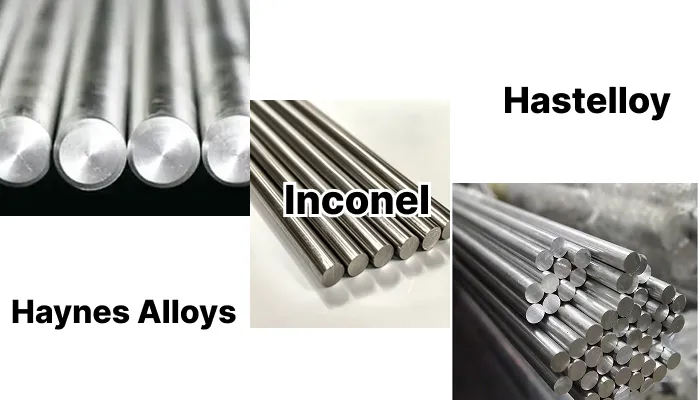
Haynes®, Inconel®, and Hastelloy® are three of the most important and widely used superalloy families in modern engineering. They are designed for extreme industrial environments involving:

  • High temperature
  • High stress
  • Oxidizing gases
  • Acidic corrosive media
  • Thermal cycling
  • Pressure fluctuations

But although they belong to the same high-performance category, their strengths, weaknesses, and ideal applications are very different.

In 2025, choosing the right alloy family is crucial for preventing corrosion, increasing equipment life, and ensuring safe, uninterrupted operation.

This guide compares all three superalloy families in detail.
What are Haynes, Inconel, and Hastelloy?

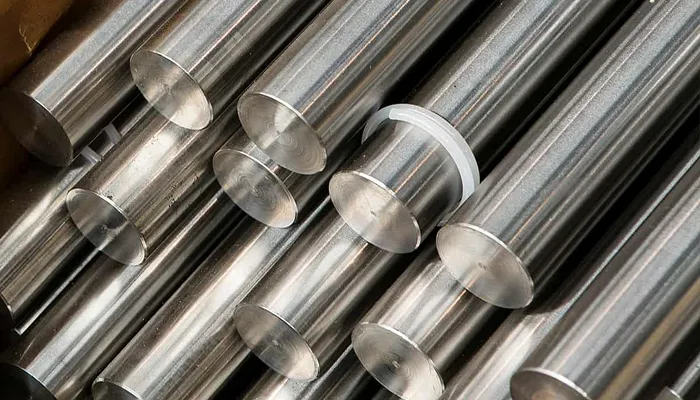
  • Haynes Alloys: High-temperature nickel & cobalt alloys engineered for oxidation, thermal stability, creep resistance.
  • Inconel Alloys: Nickel-chromium alloys designed for heat resistance + mechanical strength.
  • Hastelloy Alloys: Nickel-molybdenum & nickel-chromium-molybdenum alloys engineered for extreme corrosion environments.

Chemical Composition Differences

Alloy Family Base Key Elements Strength
Haynes Ni/Co Cr, W, Mo, Al High at temperature
Inconel Ni Cr, Fe, Nb, Mo High strength, oxidation resistance
Hastelloy Ni Mo, Cr, Fe Best chemical corrosion resistance

Summary:

  • Haynes = Best for long-term high temperatures
  • Inconel = Best for high strength + oxidation
  • Hastelloy = Best chemical corrosion resistance

High Temperature Performance

Alloy Family Max Temperature Performance Notes
Haynes 1150°C Best for continuous heat
Inconel 1100°C Great short-term heat resistance
Hastelloy 1000°C Designed for chemicals, not extreme heat

Winner → Haynes Alloys

Oxidation Resistance Comparison

  • Haynes Alloys: 188 & 230 offer top-tier oxidation resistance, maintain oxide integrity at 1000–1150°C.
  • Inconel: 601 & 625 perform well in oxidizing atmospheres; good for moderate temperature oxidation.
  • Hastelloy: Moderate oxidation resistance; not designed for long-term high heat.

Winner → Haynes Alloys

Corrosion Resistance Comparison – Hastelloy Dominates

  • Hastelloy: Best in acids (HCl, H₂SO₄, HNO₃), chlorides, reducing agents, oxidizing salt solutions, corrosive chemical streams. C276 & C22 are world leaders.
  • Inconel: Moderate corrosion resistance; used in chemical plants but not as strong as Hastelloy.
  • Haynes: Designed for heat, not chemical attack (except some grades like 625).

Winner → Hastelloy

Mechanical Strength Comparison

Alloy Family Room Temp Strength High Temp Strength
Inconel Highest Excellent
Haynes High Best at high temps
Hastelloy Medium–High Medium

Summary:

  • Inconel = highest mechanical strength overall
  • Haynes = strongest at >900°C
  • Hastelloy = good but focused on corrosion resistance

Creep Resistance (Critical for Turbines)

  • Haynes 263 & 230 → Best creep resistance
  • Inconel 718 → Excellent but limited to ~700°C
  • Hastelloy → Not optimized for creep

Winner → Haynes

Industrial Applications Comparison

Aerospace & Turbines

Winner → Haynes (188, 230, 263); Inconel 718/625 also used; Hastelloy rarely used.

Chemical Processing

Winner → Hastelloy (C276, C22, B3); Inconel secondary; Haynes used if heat + chemicals combine.

Heat-Treatment Furnaces

Winner → Haynes 230 & 214; Inconel 600/601 used; Hastelloy not suitable.

Oil & Gas

Inconel 718/625 → Downhole tools; Haynes 188 & 263 → High heat + non-magnetic; Hastelloy → Sour gas/acidic media.

Marine Applications

Inconel → Good; Hastelloy C-series → Best anti-corrosion; Haynes → Rarely used.

Cost Comparison (2025 Market)

Alloy Cost Reason
Haynes Very High Cobalt/W content
Hastelloy High High Mo content
Inconel Medium–High Nickel + specialty additions

Most cost-effective → Inconel

Which Alloy Family Should YOU Choose?

  • Choose Haynes when: Temperature > 950°C, oxidation/carburation expected, aerospace & turbines, heat-treatment furnaces.
  • Choose Inconel when: Need strong + weldable + heat resistant alloy, structural strength matters, downhole tools & aerospace hardware.
  • Choose Hastelloy when: Strong acids & chemicals, corrosive industrial media, high-pressure acid gas systems.

Final Master Comparison Table

Feature Haynes Inconel Hastelloy
Max Temp 1150°C 1100°C 1000°C
Oxidation Best Very Good Moderate
Corrosion Medium Good Best
Mechanical Strength High Highest Medium–High
Creep Resistance Best Good Medium
Cost Very High Medium–High High

FAQ's

Which alloy is best for high-temperature furnaces?

Haynes 230 or Haynes 214.

Which alloy handles acids the best?

Hastelloy C276/C22.

Which is the strongest superalloy?

Inconel 718 has the highest mechanical strength.

Which alloy lasts longest above 1000°C?

Haynes 230.

Is Haynes better than Inconel?

For high-temperature oxidation and creep resistance → Yes For general high-strength engineering → Inconel often wins For acidic environments → Hastelloy is superior

Contact Us

At Moksh Tubes & Fittings LLP, we’re dedicated to making your purchases seamless — offering expert advice, a wide inventory of certified products, and global support for every order, large or small.

Get in Touch
{ "@context": "https://schema.org", "@type": "BreadcrumbList", "itemListElement": [ { "@type": "ListItem", "position": 1, "name": "Home", "item": "https://mokshtubes.com/" }, { "@type": "ListItem", "position": 2, "name": "Blogs", "item": "https://mokshtubes.com/blogs/" }, { "@type": "ListItem", "position": 3, "name": "Haynes vs Inconel vs Hastelloy", "item": "https://mokshtubes.com/haynes-vs-inconel-vs-hastelloy-superalloy-comparison-2025" } ] } { "@context": "https://schema.org", "@type": "FAQPage", "mainEntity": [ { "@type": "Question", "name": "Which alloy is best for high-temperature furnaces?", "acceptedAnswer": { "@type": "Answer", "text": "Haynes 230 or Haynes 214 offer the highest performance for furnace oxidation and long-term stability." } }, { "@type": "Question", "name": "Which alloy handles acids the best?", "acceptedAnswer": { "@type": "Answer", "text": "Hastelloy C276 and C22 are world leaders in corrosion resistance for acidic and chloride-rich environments." } }, { "@type": "Question", "name": "Which is the strongest superalloy?", "acceptedAnswer": { "@type": "Answer", "text": "Inconel 718 has the highest mechanical strength among commercial nickel alloys." } }, { "@type": "Question", "name": "Which alloy lasts longest above 1000°C?", "acceptedAnswer": { "@type": "Answer", "text": "Haynes 230 demonstrates exceptional long-term performance above 1000°C." } }, { "@type": "Question", "name": "Is Haynes better than Inconel?", "acceptedAnswer": { "@type": "Answer", "text": "Haynes is better for oxidation resistance and creep strength at high temperatures, while Inconel offers better general mechanical strength and weldability." } } ] } { "@context": "https://schema.org", "@type": "Article", "headline": "Haynes Alloys vs Inconel vs Hastelloy — Which Superalloy Should You Choose in 2025?", "description": "Full comparative engineering guide for Haynes, Inconel, and Hastelloy superalloys. Covers high temperature performance, corrosion resistance, mechanical strength, and industrial applications.", "keywords": "Haynes vs Inconel vs Hastelloy, superalloy comparison, high temperature alloys, Haynes 230 vs Inconel 625, Hastelloy vs Haynes, nickel superalloy guide", "author": { "@type": "Organization", "name": "Moksh Tubes & Fittings LLP" }, "publisher": { "@type": "Organization", "name": "Moksh Tubes & Fittings LLP", "logo": { "@type": "ImageObject", "url": "https://mokshtubes.com/logo.png" } }, "url": "https://mokshtubes.com/haynes-vs-inconel-vs-hastelloy-superalloy-comparison-2025" }