Welcome to Moksh Tubes & Fittings LLP

Monday - Friday : 8:00 AM to 7:00 PM

Heat Exchanger Tubes – Best Materials, Failures & Selection Guide (2025 Updated)

Heat Exchanger Tubes – Best Materials, Failures & Selection Guide (2025 Updated)

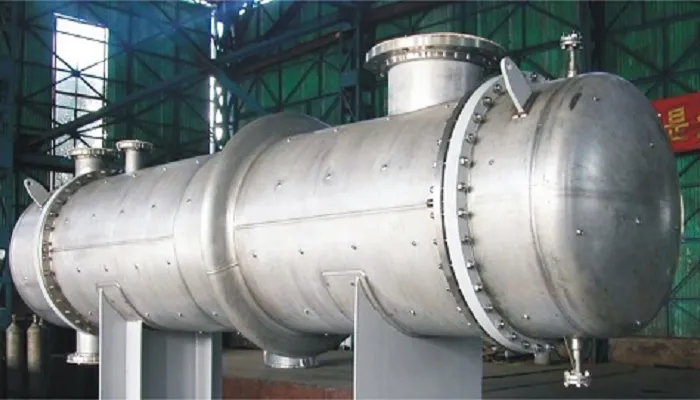
Heat exchanger tubes are one of the most critical components in power plants, refineries, chemical industries, desalination units, and HVAC systems. They must withstand high temperature, pressure, corrosive fluids, thermal cycling, and vibration.

Selecting the wrong tube material can lead to leaks, corrosion, shutdowns, and major financial losses. This guide explains the best materials, types of tubes, common failure reasons, selection tips, and how Moksh Tubes supports industrial projects.
What Are Heat Exchanger Tubes?

Heat exchanger tubes transfer heat between two fluids — hot and cold — without mixing them. They are widely used in:

  • Boilers
  • Condensers
  • Chillers
  • Shell & Tube Exchangers
  • Power Plants
  • Petrochemical Units

Types of Heat Exchanger Tubes

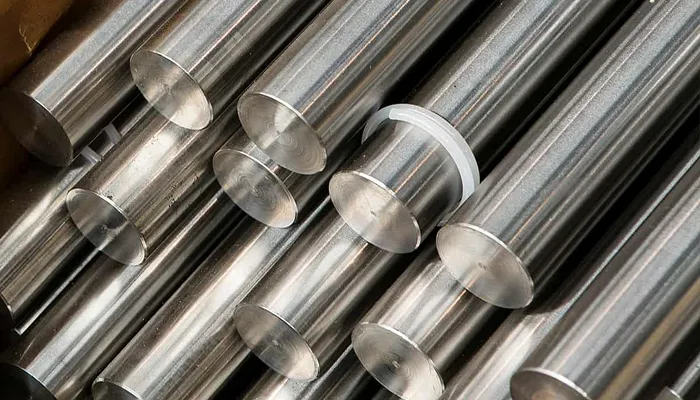
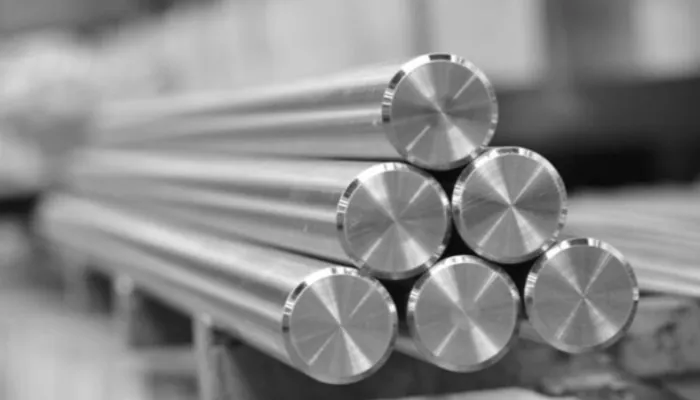
  • Straight Tubes – Most common, used in boilers & condensers.
  • U-Bend Tubes – Ideal for U-shaped or compact heat exchangers.
  • Finned Tubes – Higher surface area for improved heat transfer.
  • Seamless vs Welded
    • Seamless – Best for high pressure
    • Welded – Cost-effective for general use

Best Materials for Heat Exchanger Tubes (2025)

1. Stainless Steel (304, 316, 321, 347)

  • Best for water & mild chemicals
  • Affordable and corrosion-resistant
  • Common in food & pharma

2. Copper Nickel (90/10, 70/30)

  • Excellent seawater resistance
  • High thermal conductivity
  • Used in desalination & marine

3. Duplex & Super Duplex (2205, 2507)

  • High chloride resistance
  • High strength
  • Ideal for offshore & oil industry

4. Nickel Alloys (Inconel 600, 625, 800, 825)

  • Extreme corrosion resistance
  • High temperature stability
  • Used in petrochemical & chemical plants

5. Titanium

  • Practically corrosion-proof
  • Lightweight & high strength
  • Premium choice for seawater, chlorides, acids

Common Heat Exchanger Tube Failures

  • Pitting Corrosion – Chlorides, seawater, untreated water
  • Erosion – High velocity fluid damage
  • Stress Corrosion Cracking (SCC) – High temperature + chlorides
  • Scaling – Mineral deposits reduce heat transfer
  • Thermal Fatigue – Continuous heating/cooling cycles
  • Weld Failures – Due to poor-quality welded tubes

How to Select the Right Tube Material (Simple Guide)

  • If using seawater → Copper Nickel / Titanium / Super Duplex
  • If using chemicals → Inconel / Hastelloy / SS 316L
  • If using steam → Alloy Steel / Stainless Steel
  • If using high pressure → Seamless stainless or alloy steel
  • If using high temperature → Inconel 600 / 625 / Alloy Steel

Conclusion

Heat exchanger tubes face extreme pressure, temperature, vibration, and corrosion. Choosing the wrong material can cause failures within weeks, while the right one can last over 10 years.

Moksh Tubes helps industries select the ideal tube material based on media, temperature, pressure, and corrosion levels to ensure long-term performance and reliability.

FAQ's

What is the best material for seawater heat exchangers?

Titanium or Copper Nickel.

Which is better — seamless or welded?

Seamless for high pressure; welded for standard duty.

Do you supply U-bend tubes?

Yes, U-bend tubes in all grades.

Do you provide testing?

Yes — Hydro, Eddy Current, PMI, UT, NDT.

Contact Us

At Moksh Tubes & Fittings LLP, we’re dedicated to making your purchases seamless — offering expert advice, a wide inventory of certified products, and global support for every order, large or small.

Get in Touch