Welcome to Moksh Tubes & Fittings LLP

Monday - Friday : 8:00 AM to 7:00 PM

Stainless Steel Tubes: Applications, Benefits & Cost Guide

Stainless Steel Tubes: Applications, Benefits & Cost Guide

From the towering skyscrapers that define our cities to the intricate systems that deliver clean water, stainless steel tubes are the unsung heroes of modern infrastructure. These versatile components are essential in countless industries, providing the strength, reliability, and longevity needed to keep critical processes running smoothly. Choosing the right material for your project is a decision that impacts everything from safety to long term costs. This guide will explore the wide ranging applications and significant benefits of stainless steel tubes, and provide a clear breakdown of the factors that influence their cost.

The Unmatched Benefits of Stainless Steel Tubes

Stainless steel's popularity isn't accidental. It offers a powerful combination of properties that make it a superior choice for a vast array of applications. Understanding these advantages is key to appreciating its value.

Superior Corrosion Resistance

The defining characteristic of stainless steel is its exceptional ability to resist rust and corrosion. This is thanks to the chromium content in the alloy, which forms a thin, passive, and self healing layer of chromium oxide on the surface when exposed to oxygen. This protective barrier prevents moisture and corrosive elements from degrading the metal, making it ideal for use in harsh environments, including marine, chemical, and industrial settings.

Impressive Durability and Strength

Stainless steel tubes are known for their high tensile strength and robustness. They can withstand significant pressure, high temperatures, and physical impact without deforming or failing. This inherent durability ensures a long service life, reducing the need for frequent replacements and minimizing downtime in critical operations. Different grades offer varying levels of strength, allowing for precise selection based on mechanical demands.

Hygienic and Easy to Clean

The non porous surface of stainless steel makes it incredibly hygienic. It does not harbor bacteria, mold, or other contaminants, which is why it is the material of choice for industries with strict cleanliness standards, such as food and beverage, pharmaceuticals, and healthcare. Its smooth surface is also easy to clean and sanitize, ensuring product purity and safety.

Aesthetic Appeal and Versatility

Beyond its functional benefits, stainless steel has a clean, modern aesthetic that is valued in architectural and design applications. It can be finished in various ways from a matte brush to a mirror polish to suit different design needs. This versatility extends to its fabrication, as it can be easily welded, bent, and formed into complex shapes.

Long Term Value and Sustainability

While the initial investment for stainless steel may be higher than for some other materials, its long term value is undeniable. Its long lifespan, low maintenance requirements, and resistance to degradation translate into a lower total cost of ownership. Furthermore, stainless steel is 100% recyclable, making it an environmentally responsible choice that contributes to a circular economy.

Key Applications of Stainless Steel Tubes

The unique properties of stainless steel tubes make them indispensable across a wide spectrum of industries. Their reliability ensures safety and efficiency in some of the most demanding applications.

Industrial and Manufacturing

In manufacturing plants, stainless steel tubes are used for transporting fluids, gases, and slurries. Their resistance to chemicals and high temperatures is crucial in chemical processing, oil and gas refineries, and power generation plants. They form the backbone of heat exchangers, boiler systems, and hydraulic lines.

Construction and Architecture

From structural supports in buildings to decorative handrails and balustrades, stainless steel tubing offers both strength and style. Its corrosion resistance makes it perfect for outdoor structures, facades, and plumbing systems that are exposed to the elements.

Food and Beverage Industry

This industry relies heavily on stainless steel for its hygienic properties. Tubes are used for everything from dairy processing and brewery piping to beverage dispensing lines. The material ensures that the taste and quality of the products remain untainted.

Automotive and Transportation

In the automotive sector, stainless steel tubes are vital for exhaust systems, fuel lines, and structural components. Their ability to withstand heat, vibration, and corrosive road salts ensures vehicle safety and longevity.

Medical and Pharmaceutical

For medical devices, surgical instruments, and pharmaceutical manufacturing equipment, sterility is non negotiable. The non reactive and easy to sterilize nature of stainless steel makes it the ideal material for these sensitive applications.

A Guide to Stainless Steel Tube Costs

Understanding the cost of stainless steel tubes requires looking beyond the initial price tag. Several factors influence the final cost, and being aware of them can help you make a more informed purchasing decision.

Influencing Factors:

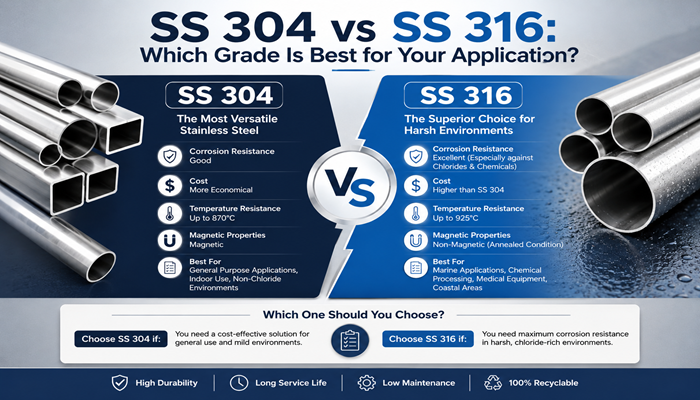
  • Alloy Grade: This is the single biggest factor. There are hundreds of grades of stainless steel, each with a different composition and price point. Austenitic grades like 304 and 316 are common, but high performance alloys with more nickel or molybdenum will be significantly more expensive.
  • Tube Dimensions: The outer diameter (OD), wall thickness, and length of the tube directly impact the amount of material used and, therefore, the cost. Larger and thicker tubes are naturally more expensive.
  • Manufacturing Process: Tubes can be either seamless or welded. Seamless tubes, which are extruded from a solid billet, are generally stronger and more corrosion resistant but are more expensive to produce than welded tubes.
  • Surface Finish: A standard mill finish is the most cost-effective. Polished, brushed, or other specialized finishes require additional processing steps, which adds to the cost.
  • Order Quantity: As with most industrial products, buying in bulk typically reduces the per-unit cost. Small, custom orders will command a premium.
  • Market Conditions: The prices of raw materials like nickel and chromium fluctuate based on global supply and demand. These market shifts can have a direct impact on the price of stainless steel products.

The Verdict on Value

While materials like carbon steel or aluminum may have a lower upfront cost, they often require coatings, frequent maintenance, and earlier replacement, especially in corrosive environments. The superior durability and low maintenance of stainless steel provide a lower life cycle cost, making it a more economical choice over the long term.

Find the Right Stainless Steel Solution

Choosing the correct stainless steel tube is critical for the success and safety of your project. By balancing the demands of the application with the properties and costs of different options, you can ensure optimal performance for years to come. The right material is not just a component; it's an investment in reliability and peace of mind.

At Mokshtubes, we specialize in providing high quality stainless steel tubes for a wide range of industrial and commercial applications. Our expert team is ready to help you navigate the options and find the perfect solution for your needs. Explore our extensive product catalog or contact us today for a personalized quote.

Contact Us

At Moksh Tubes & Fittings LLP, we’re dedicated to making your purchases seamless — offering expert advice, a wide inventory of certified products, and global support for every order, large or small.

Get in Touch