Welcome to Moksh Tubes & Fittings LLP

Monday - Friday : 8:00 AM to 7:00 PM

Welding Guidelines for Inconel Alloys – Crack-Free Results (Complete 2025 Guide)

Welding Guidelines for Inconel Alloys – Crack-Free Results (Complete 2025 Guide)

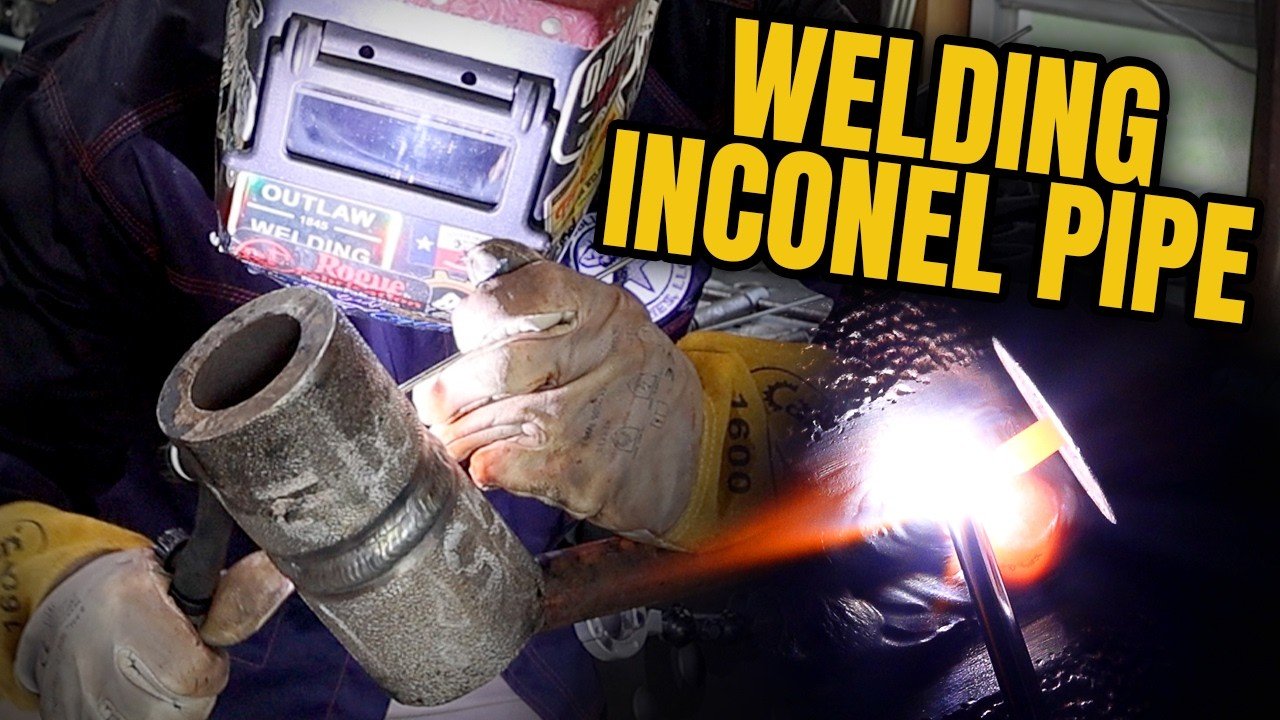
Inconel is one of the world’s strongest and most corrosion-resistant nickel-based superalloys and is widely used across aerospace, chemical processing, oil & gas, nuclear, and marine engineering. However, welding Inconel is not as simple as welding stainless steel or carbon steel.

Why? Because Inconel alloys (600, 625, 718, 800, 825) have:

  • High nickel content
  • Rapid work-hardening rates
  • Risk of hot cracking
  • Microstructural changes at heat-affected zones

To achieve crack-free, defect-free, high-strength welds, welders must follow precise procedures, filler selections, heat inputs, and post-weld treatments.

This comprehensive guide explains welding challenges, best methods, filler recommendations, grade-specific tips, heat treatments, and FAQs for Inconel welding.
Why Welding Inconel Is Challenging

Inconel’s microstructure and nickel-rich chemistry make it strong, but difficult to weld.

A. Hot Cracking

High solidification range increases chances of solidification cracking.

B. High Thermal Expansion

Causes distortion and weld stress.

C. Rapid Work-Hardening

Requires careful machining and preparation.

D. Oxidation at High Temperatures

Needs excellent shielding gas coverage.

E. Precipitation-Hardened Alloys (718)

Heat must be controlled to prevent cracking or strength loss.

Best Welding Processes for Inconel Alloys

GTAW / TIG Welding (Most Recommended)

  • Excellent control
  • Best for thin to medium thickness
  • Ideal for high-quality welds
  • Suitable for Inconel 625, 600, 718

GMAW / MIG Welding

  • Faster deposition
  • Good for thicker sections
  • Requires Ar + He gas mix

SMAW (Stick Welding)

  • Good for field repairs
  • Uses ENiCrFe electrodes

PAW (Plasma Arc Welding)

  • High precision
  • Used in aerospace

Laser & EB Welding

  • Low heat input
  • Best for high-value precision components

Filler Metal Selection for Inconel Welding

Inconel 625

  • ERNiCrMo-3 (Inconel 625 filler)
  • ENiCrMo-3 (SMAW)

Inconel 718

  • ERNiFeCr-2
  • ERNiCr-3 (dissimilar welds)

718 requires post-weld heat treatment (PWHT).

Inconel 600

  • ERNiCr-3

Inconel 800/825

  • ERNiCr-3
  • ERNiCrMo-3 (for corrosion service)

Pre-Weld Preparation Guidelines

Clean the Base Metal

  • Remove oil, grease, dirt, oxides, moisture

Use Proper Joint Design

  • 37.5° V-groove
  • 60° U-groove

Preheat When Required

For very thick sections (especially 718): 100–200°C.

Use Low Heat Input

Prevents grain growth and cracking. Pulsed TIG recommended.

Welding Parameters

  • TIG Current: 70–150 A
  • Voltage: 10–14 V
  • Shield Gas: Argon 99.99%
  • Flow Rate: 15–20 LPM
  • For thicker welds, use Argon + Helium

Preventing Hot Cracking During Inconel Welding

  • Use low heat input
  • Control cooling rate
  • Use correct filler metal
  • Avoid sulfur-contaminated materials
  • Use stringer beads, not weave beads
  • Maintain interpass temp below 120°C

Welding Guide for Each Inconel Grade

Inconel 625

  • Excellent weldability
  • Use ERNiCrMo-3
  • No PWHT required
  • Good for seawater & chemical systems

Inconel 718

  • Requires PWHT (980–1000°C + aging)
  • Use pulsed TIG
  • Use ERNiFeCr-2 filler

Inconel 600

  • Use ERNiCr-3
  • Keep interpass temp low

Inconel 800 / 825

  • Use lower heat to avoid grain growth
  • ERNiCr-3 recommended

Post-Weld Heat Treatment (PWHT)

  • Inconel 625: No PWHT required
  • Inconel 718: Must undergo solution + aging treatment
  • Inconel 600, 800, 825: Optional based on service conditions

Common Welding Defects & Solutions

  • Hot Cracking: Use correct filler, low heat
  • Porosity: Clean metal, use pure argon
  • Lack of Fusion: Use stringer beads, increase travel speed
  • Oxidation: Improve shielding gas coverage
  • Warping: Use fixtures, low heat input

FAQ's

Which is the easiest Inconel grade to weld?

Inconel 625 is the easiest to weld.

Which is the most difficult grade to weld?

Inconel 718 due to precipitation-hardening behavior.

Which welding method is best?

TIG (GTAW) for precision and crack-free welds.

Do Inconel welds require preheating?

Generally no, except thick 718 sections.

Can Inconel be welded to stainless steel?

Yes, use ERNiCr-3 filler.

Contact Us

At Moksh Tubes & Fittings LLP, we’re dedicated to making your purchases seamless — offering expert advice, a wide inventory of certified products, and global support for every order, large or small.

Get in Touch