Not all engineering environments are equal. Some industries operate in conditions so harsh that stainless steel, duplex, and even standard nickel alloys fail within months. Environments involving extreme corrosion, high temperature, high pressure, sour gas (H₂S), acidic media, chlorides, radiation, and high stress & fatigue require elite, hard-to-find alloys that are engineered to survive the impossible. Among all advanced alloys available today, three stand out as 2025’s top-performing materials: MP35N — Ultra High Strength Alloy, Hastelloy C276 — The Ultimate Corrosion Alloy, and Zirconium (702/705) — Chemical & Nuclear Grade Alloy. This guide explains why these three alloys dominate engineering applications where failure is NOT an option.

-
Call Us On
+91 97695 84950
-
Mail Us @
info@mokshtubes.com
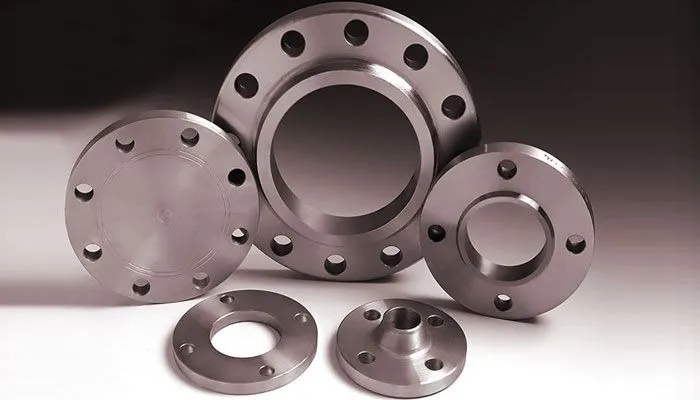
Why MP35N, Hastelloy C276 & Zirconium Are the Most Reliable Alloys for Extreme Environments in 2025
MP35N — The Strongest Corrosion-Resistant Alloy in the World
MP35N is a nickel-cobalt-chromium-molybdenum alloy known for its extraordinary properties including ultra-high strength, high fatigue resistance, excellent corrosion resistance, outstanding stress corrosion cracking (SCC) resistance, and non-magnetic behavior.
Key Mechanical Properties
- Tensile Strength: ~2000+ MPa
- Excellent ductility
- Resistant to hydrogen embrittlement
- Retains strength at elevated temperatures
Applications
- Oil & gas downhole tools
- Marine engineering
- Springs and fasteners
- Aerospace structural components
- Surgical implants
- Subsea connectors
Why It’s Hard-to-Find
- Limited global manufacturers
- Complex multiphase cold-working process
- Aerospace-grade certifications required
MP35N is irreplaceable when strength, corrosion resistance, and fatigue life are all critical.
Hastelloy C276 — The World’s Most Corrosion-Resistant Industrial Alloy
Hastelloy C276 is the gold standard for corrosion resistance in aggressive chemical environments. It survives where most alloys — including stainless steels, duplex alloys, and Inconel — fail rapidly.
Key Properties
- Immune to hydrochloric acid (HCl)
- Immune to sulfuric acid (H₂SO₄)
- Immune to nitric acid (HNO₃)
- Immune to chlorides
- Immune to wet chlorine gas
- Immune to hypochlorites
- Immune to organic acids
- Immune to chlorine dioxide
- Resistant to pitting
- Resistant to crevice corrosion
- Resistant to stress corrosion cracking
- High temperature stability up to 1040°C
Applications
- Chemical processing
- Polluted seawater systems
- Acid reactors
- Heat exchangers
- SO₂ scrubbers
- Pulp & paper bleaching systems
Why Hard-to-Find
- One of the most expensive nickel alloys
- High molybdenum and chromium content
- Tight production controls
C276 is the No.1 choice for extreme corrosion resistance.
Zirconium 702/705 — The Best Alloy for Chemical & Nuclear Industries
Zirconium is a rare, high-performance alloy with exceptional resistance to acids, alkalis, chlorides, and high-temperature liquids.
Key Properties
- Complete resistance to hydrochloric acid
- Complete resistance to sulfuric acid
- Complete resistance to nitric acid
- Complete resistance to organic acids
- Complete resistance to most halides
- Complete resistance to chlorides
- Excellent heat transfer
- High melting point (1855°C)
- Non-magnetic
- Very low neutron absorption
Applications
- Acid production plants
- Nuclear power fuel cladding
- Heat exchangers
- Chemical reactors
- Pharmaceutical manufacturing
Why Hard-to-Find
- Only a few certified global producers
- Export restrictions for nuclear grade
- Higher cost than most metals
Zirconium is unmatched for acid corrosion environments.
MP35N vs Hastelloy C276 vs Zirconium — Comparison
| Property | MP35N | Hastelloy C276 | Zirconium 702/705 |
|---|---|---|---|
| Primary Strength | Very High Strength | High Corrosion Resistance | Extreme Acid Resistance |
| Tensile Strength | 2000+ MPa | ~700 MPa | Medium |
| Temperature Resistance | 600–800°C | 1040°C | 400°C |
| Corrosion Resistance | Excellent | Best Overall | Best for Acids |
| SCC Resistance | Superior | Excellent | Excellent |
| Density | Medium | Medium | Light |
| Cost | High | High | Very High |
Which Alloy Should You Choose in 2025?
Choose MP35N if:
- You need extreme tensile strength
- High fatigue life is required
- Downhole tools or aerospace components
- Need non-magnetic high-performance alloy
Choose Hastelloy C276 if:
- You face chemically aggressive environments
- Mixed acid environments
- High corrosion risk
- Pitting and crevice corrosion are concerns
Choose Zirconium if:
- Strong acid media like HCl, H₂SO₄ are used
- Heat exchangers and reactor vessels
- Nuclear or pharmaceutical industries
- Zero corrosion tolerance applications
Why These 3 Alloys Dominate Extreme Environments
- They outperform stainless steel, duplex, and nickel alloys
- They provide guaranteed long-term reliability
- They reduce maintenance downtime
- They ensure safety in high-risk sectors
- They maintain performance in multi-variable stress environments
FAQ's
Which alloy is best for sour gas (H₂S) environments?
MP35N and Hastelloy C276 both perform exceptionally well.
Is Zirconium expensive?
Yes — but it delivers unmatched acid corrosion resistance, making it cost-effective long term.
Can MP35N replace Inconel 718?
In some high-strength + corrosion environments → Yes, MP35N performs better.
Is Hastelloy C276 resistant to pitting?
Yes — it offers world-leading pitting and crevice corrosion resistance.
Is Zirconium safe for nuclear applications?
Yes — Zirconium 702/705 has extremely low neutron absorption.
Recent Blogs
-
Why Nickel Alloy Bars Are Used in High-Temperature Industries
December 11, 2025
-
-

Locate Us
info@mokstubes.com
Office Address: Hinglaj Bhavan, Gulalwadi Mumbai, Maharashtra. 400004
Office Address: 6/A, Ground Floor, Rajwanti Mansion, Khetwadi Mumbai
Office Address: 95/95A, Dawood Baug, Sukhlaji Street, Kamatipura Mumbai
Office Address: 92E, Plot No. 3, New Tank Bunder, Darukhana, Mumbai, Maharashtra- 400 010.
get in touch
Let’s forge a connection — contact our team today.
Contact Us
At Moksh Tubes & Fittings LLP, we’re dedicated to making your purchases seamless — offering expert advice, a wide inventory of certified products, and global support for every order, large or small.
Get in Touch