
-
Call Us On
+91 97695 84950
-
Mail Us @
[email protected]
Product Overview
Introduction to Carbide Alloys – Tungsten, Titanium & Tantalum
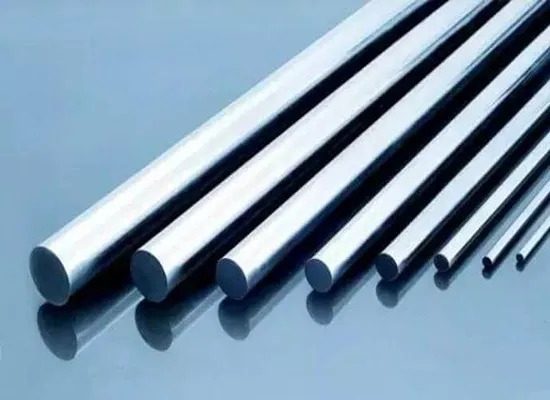
MOKSH TUBES & FITTINGS LLP is a trusted manufacturer, exporter, and supplier of Carbide Alloys, offering a wide range of products including Tungsten Carbide (WC), Titanium Carbide (TiC), Tantalum Carbide (TaC), and specialty carbide-based tools and components. Our range includes rods, strips, dies, nozzles, inserts, buttons, rings, wear parts, and custom-engineered carbide components designed to withstand extreme wear, abrasion, and thermal stress.
Carbide Alloys are hard, wear-resistant materials made by combining carbide particles with metallic binders like cobalt or nickel. These alloys offer exceptional hardness, high-temperature resistance, and excellent dimensional stability, making them ideal for demanding industrial applications including metal cutting, mining, oil & gas, aerospace, and wear protection systems.
Download Hard To Find Special Alloy Carbide Datasheet
Get the complete Hard To Find Special Alloy Carbide datasheet with chemical composition, mechanical properties, heat treatment details, and applications. Enter your email to receive the PDF instantly.
We respect your privacy. Your email will only be used to send the datasheet.
Carbide Alloys Specifications
| Property | Details |
|---|---|
| Material Type | Hard Metal / Cemented Carbide |
| Base Carbides | WC, TiC, TaC |
| Binder Metals | Cobalt (Co), Nickel (Ni) |
| Hardness Range | 80 – 92 HRC |
| Density Range | 14.5 – 15.8 g/cm³ |
| Wear Resistance | Excellent |
| Heat Resistance | Excellent |
| Compressive Strength | Very High |
| Machinability | Precision grinding only |
| Magnetic Property | Non-magnetic (WC–Ni grades) |
👉 Carbide alloys are engineered materials where hardness and wear resistance are achieved through sintering, not conventional heat treatment.
Chemical Composition of Carbide Alloys (WC–Co Typical)
| Element | Composition (%) |
|---|---|
| Tungsten (W) | 80.0 – 97.0 |
| Carbon (C) | 4.0 – 6.5 |
| Cobalt (Co) | 3.0 – 20.0 (Binder) |
| Titanium (Ti) | Optional (TiC grades) |
| Tantalum (Ta) | Optional (TaC grades) |
| Niobium (Nb) | Optional |
| Nickel (Ni) | Optional binder (corrosion-resistant grades) |
📌 Composition varies by grade and application (WC, TiC, TaC-based systems).
Mechanical Properties of Carbide Alloys
| Property | Typical Value |
|---|---|
| Tensile Strength | 2070 – 2760 MPa |
| Yield Strength (0.2%) | 1720 – 2410 MPa |
| Elongation | 0.1 – 1 % |
| Brinell Hardness | 1500 – 2200 HB |
| Rockwell Hardness | 80 – 90 HRC |

Uses and Advantages
Extremely high hardness and wear resistance
Excellent heat resistance and thermal stability
High compressive strength and rigidity
Resistance to corrosion (in WC-Ni grades)
Long service life under extreme conditions
Applications of Carbide Alloys
Chemical Processing
Oil & Gas
Marine
Pharmaceutical
Heat Exchangers
Power Plants
WHY CHOOSE US?
FAQ's
What are Carbide Alloys used for?
Carbide Alloys are used for cutting tools, mining bits, drilling heads, stamping and punching dies, wear parts in industrial machinery, aerospace components, and chemical-resistant applications.
What types of Carbide Alloys does MOKSH TUBES & FITTINGS supply?
We supply Tungsten Carbide (WC), Titanium Carbide (TiC), Tantalum Carbide (TaC), and custom carbide grades for specialized applications, available as rods, strips, sheets, tubes, and fabricated components.
What are the key properties of Carbide Alloys?
Carbide Alloys offer extreme hardness, excellent wear resistance, high compressive strength, thermal stability, corrosion resistance (in specific grades), and long service life under harsh conditions.
In what forms are Carbide Alloys available?
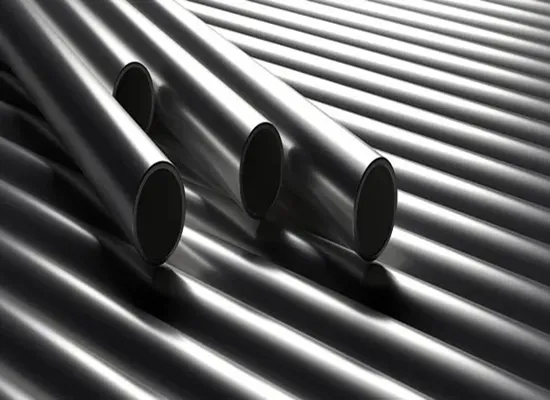
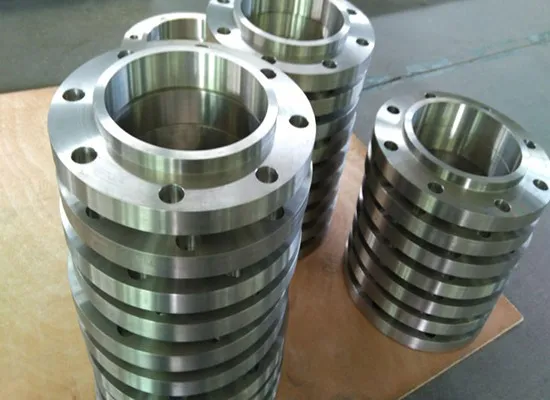
Carbide Alloys are supplied as seamless and welded pipes, tubes, sheets, plates, bars, flanges, fasteners, and custom engineered components tailored to industrial needs.
Why choose MOKSH TUBES & FITTINGS for Carbide Alloys?
We provide ISO compliant carbide products with precision machining capabilities, custom grade development, end to end supply from powder to finished parts, technical support, and global delivery for OEMs and industrial clients.
Contact Us
Contact Moksh Tubes & Fittings LLP — your trusted partner in wear-resistant and high-strength carbide solutions.
Get in Touch