Welcome to Moksh Tubes & Fittings LLP

Monday - Friday : 8:00 AM to 7:00 PM

EN24 vs EN36 vs EN31: Engineering Steel Comparison

EN24 vs EN36 vs EN31: Engineering Steel Comparison

Looking for a Reliable Metal Supplier?

Get premium quality pipes, sheets, and fittings delivered globally.

Get Quote Now

Choosing the right engineering steel grade is critical for performance, durability, and cost-efficiency. Among the most widely used alloy steels, EN24, EN36, and EN31 each serve different mechanical and industrial needs.

In this guide, we’ll compare EN24 vs EN36 vs EN31 engineering steel based on properties, applications, and selection criteriaβ€”so you can confidently choose the right steel for your project.
What Is Engineering Steel?

Engineering steels are high-strength alloy steels designed for mechanical components that demand durability, wear resistance, and load-bearing capacity. They are commonly used in automotive, aerospace, tooling, and heavy engineering industries.

πŸ‘‰ Explore our full range from a trusted Engineering Steel Supplier: Engineering Steels

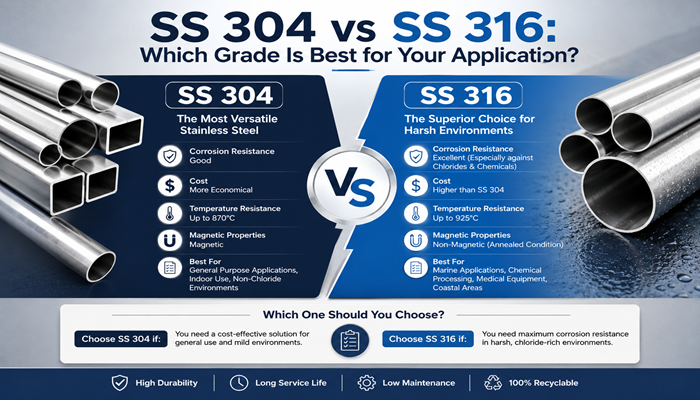
EN24 Steel – High Strength & Toughness

EN24 steel is a nickel-chromium-molybdenum alloy steel known for its excellent tensile strength and impact resistance, especially after heat treatment.

Key Properties

  • High tensile strength
  • Excellent toughness
  • Good fatigue resistance
  • Supplied in annealed or heat-treated condition

Common Applications

  • Gears and shafts
  • Aircraft and automotive components
  • High-stress mechanical parts

Best for: Components requiring strength + shock resistance

EN36 Steel – Superior Surface Hardness

EN36 steel is a case-hardening alloy steel containing nickel, chromium, and molybdenum. It’s ideal where a hard outer surface and tough core are required.

Key Properties

  • Excellent case hardenability
  • High wear resistance
  • Tough core strength
  • Long service life

Common Applications

  • Heavy-duty gears
  • Worm shafts
  • Bushes and bearings

Best for: Parts exposed to continuous wear and friction

EN31 Steel – High Carbon, High Wear Resistance

EN31 steel is a high-carbon alloy steel widely used where abrasion resistance is critical. It offers exceptional hardness after heat treatment.

Key Properties

  • High hardness
  • Excellent wear resistance
  • Good compressive strength
  • Limited toughness compared to EN24

Common Applications

  • Bearings and rollers
  • Dies and punches
  • Machine tool components

Best for: Applications requiring maximum hardness and wear resistance

EN24 vs EN36 vs EN31 – Quick Comparison

Property EN24 EN36 EN31
Strength ⭐⭐⭐⭐ ⭐⭐⭐ ⭐⭐
Wear Resistance ⭐⭐⭐ ⭐⭐⭐⭐ ⭐⭐⭐⭐⭐
Toughness ⭐⭐⭐⭐ ⭐⭐⭐⭐ ⭐⭐
Heat Treatment Quenched & tempered Case hardened Hardened & tempered
Typical Use Shafts, gears Heavy-duty gears Bearings, tools

How to Choose the Right Engineering Steel

When selecting between EN24, EN36, and EN31, consider:

  • Load conditions β†’ EN24
  • Surface wear & friction β†’ EN36
  • Hardness & abrasion resistance β†’ EN31
  • Machinability vs durability trade-off
  • Operating environment

For expert guidance, browse our complete Engineering Steels range:
πŸ‘‰ Engineering Steels

Available Forms – Alloy Steel Bars

We supply EN24, EN36, and EN31 in various forms including round bars, rods, and custom sizes.

πŸ”— View Alloy Steel Bars: Round Bars

Need Custom Dimensions or Rare Alloys?

We provide specialized fabrication, custom cutting, and export-grade packing globally. Request a quote or chat with our experts.

FAQ's

What is the main difference between EN24, EN36, and EN31 steel?

EN24 is known for high strength and toughness, EN36 is a case-hardening steel offering a hard surface with a tough core, while EN31 is a high-carbon steel best suited for wear-resistant applications.

Which engineering steel is best for gears and shafts?

EN24 is ideal for high-strength shafts, while EN36 is preferred for heavy-duty gears requiring excellent surface hardness and wear resistance.

Is EN31 steel suitable for high-impact applications?

No, EN31 steel is primarily designed for wear resistance and hardness. It is not recommended for high-impact or shock-loading applications where EN24 performs better.

Can EN24, EN36, and EN31 steels be heat treated?

Yes. EN24 is typically quenched and tempered, EN36 is case hardened, and EN31 is hardened and tempered to achieve high surface hardness.

How do I choose the right engineering steel for my application?

The choice depends on load conditions, wear resistance requirements, toughness, and operating environment. Consulting an experienced engineering steel supplier helps ensure optimal material selection.

Contact Us

At Moksh Tubes & Fittings LLP, we’re dedicated to making your purchases seamless β€” offering expert advice, a wide inventory of certified products, and global support for every order, large or small.

Get in Touch
Call Now WhatsApp